Treatments
Menstrual, Hormonal & Pelvic Health
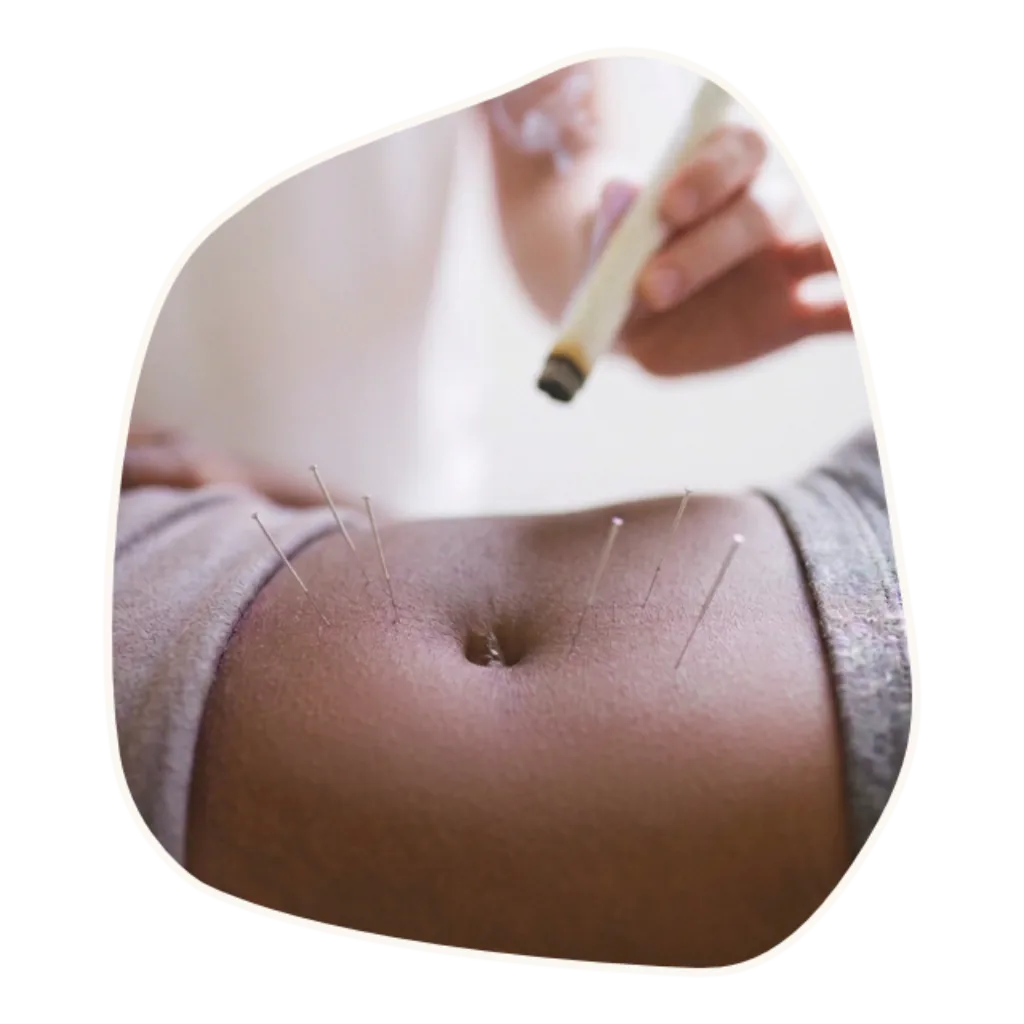
Whether you’re navigating menstrual changes, hormonal fluctuations, pelvic pain or the transitions of perimenopause and menopause, your experience deserves to be met with care, curiosity and understanding. These experiences can be complex, affecting not only your physical health but also your energy, emotional wellbeing and day-to-day life, sometimes in ways that are difficult to explain to others.
In Traditional Chinese Medicine, menstrual, hormonal and pelvic health is broadly understood through the relationships between Qi, Blood, Yin and Yang, alongside more specific functions of additional systems in the body. The smooth flow of Qi and Blood is considered particularly important, as stagnation is traditionally associated with pain and tension, while patterns involving deficiency or imbalance may be reflected in changes to the menstrual cycle, energy and mood, to name but a few. Your individual constitution and the way these patterns evolve over time are also considered, recognising that similar experiences can have different underlying patterns from one person to another. Researchers have explored how acupuncture’s effects on the nervous system and local blood flow might relate to pelvic and menstrual discomfort.
Pain & Long-Term Conditions
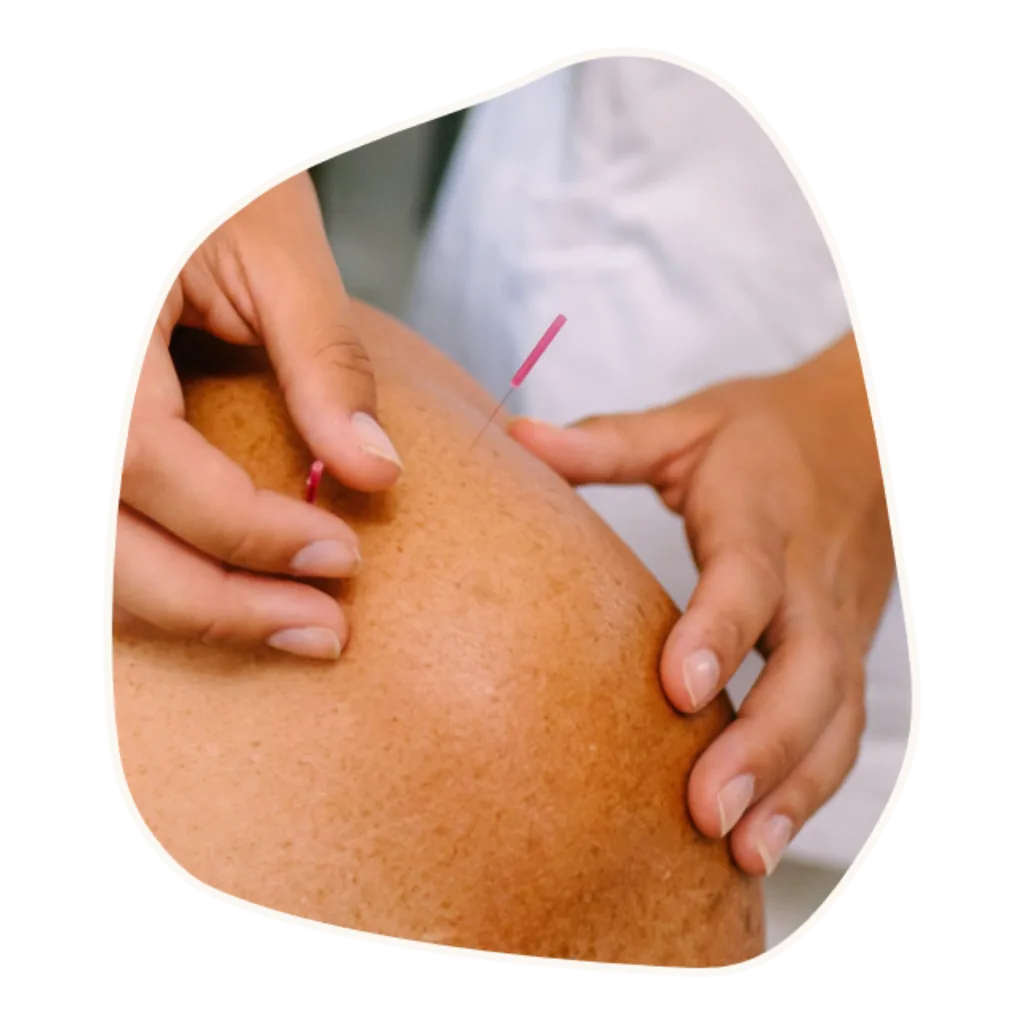
Many people come to acupuncture while living with long-term pain or ongoing health concerns.
In Traditional Chinese Medicine, ongoing pain and long-term health concerns are often understood through the concept of stagnation, where the flow of Qi and Blood becomes restricted over a sustained period of time. This is traditionally associated with areas of pain and discomfort, and in the case of long-term conditions, is further assessed alongside the influence of your individual constitution, environment and life experiences.
Care is always designed with the individual in mind, recognising that even when symptoms appear similar, no two people are quite the same. As long-term conditions can fluctuate, TCM offers a flexible approach that can adapt to your changing needs, while working alongside any other care you’re receiving.
Research has explored how acupuncture interacts with the nervous system’s pain-signalling pathways, including the body’s own natural opioids, such as endorphins. NICE guidance says healthcare professionals may consider a single course of acupuncture as part of managing chronic primary pain (pain with no clear underlying condition), alongside approaches such as exercise and psychological therapy. NICE headache guidance also says a course of acupuncture may be considered for preventing chronic tension-type headache and migraine. Read the NICE guidance on chronic pain and on headaches.
Sleep, Stress & Emotional Wellbeing
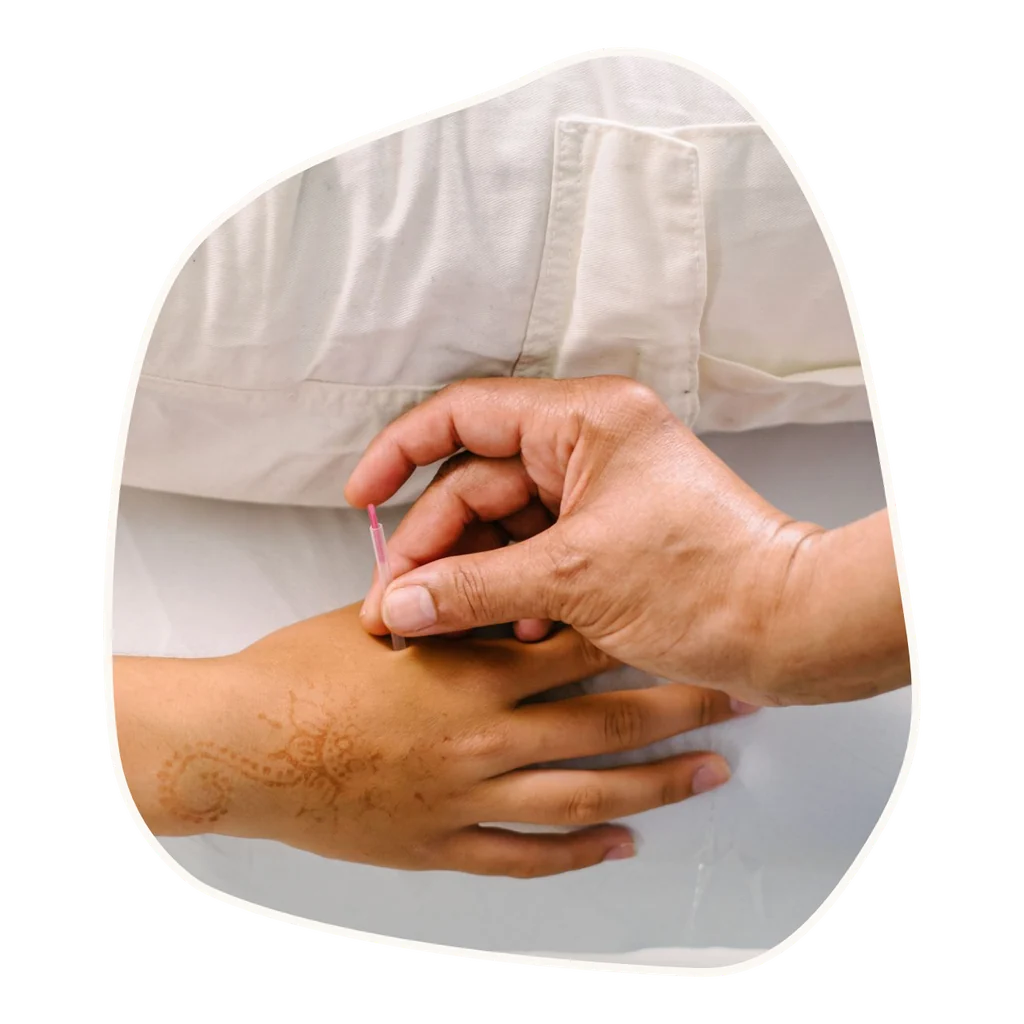
Modern life can be intense, overstimulating and depleting, making it difficult to find the time and space we need to rest and recharge.
In Traditional Chinese Medicine, there is a deep understanding of the connection between our bodies and our minds, and emotions are seen as highly valid and important when understanding a clinical picture and shaping care around it. Different experiences in life, whether short-lived or more long-term, can disrupt our sense of balance, calm and clarity, creating restlessness and irritation, or low energy and motivation, or both at once. Managing the balance between activity and stillness, energy and rest, is something we all need some support with sometimes, and the mutual relationship between these forces is at the heart of TCM. It also recognises and respects the different elemental composition of individuals, and how this can align with certain behaviours or experiences of situations, and how it can be reflected in physical symptoms.
Studies have looked at the effect of acupuncture on the autonomic nervous system, the part of the body that shifts between ‘fight or flight’ and ‘rest and digest’. Many people find treatment deeply relaxing, a chance to slow down and feel more at ease.
Digestive Wellbeing
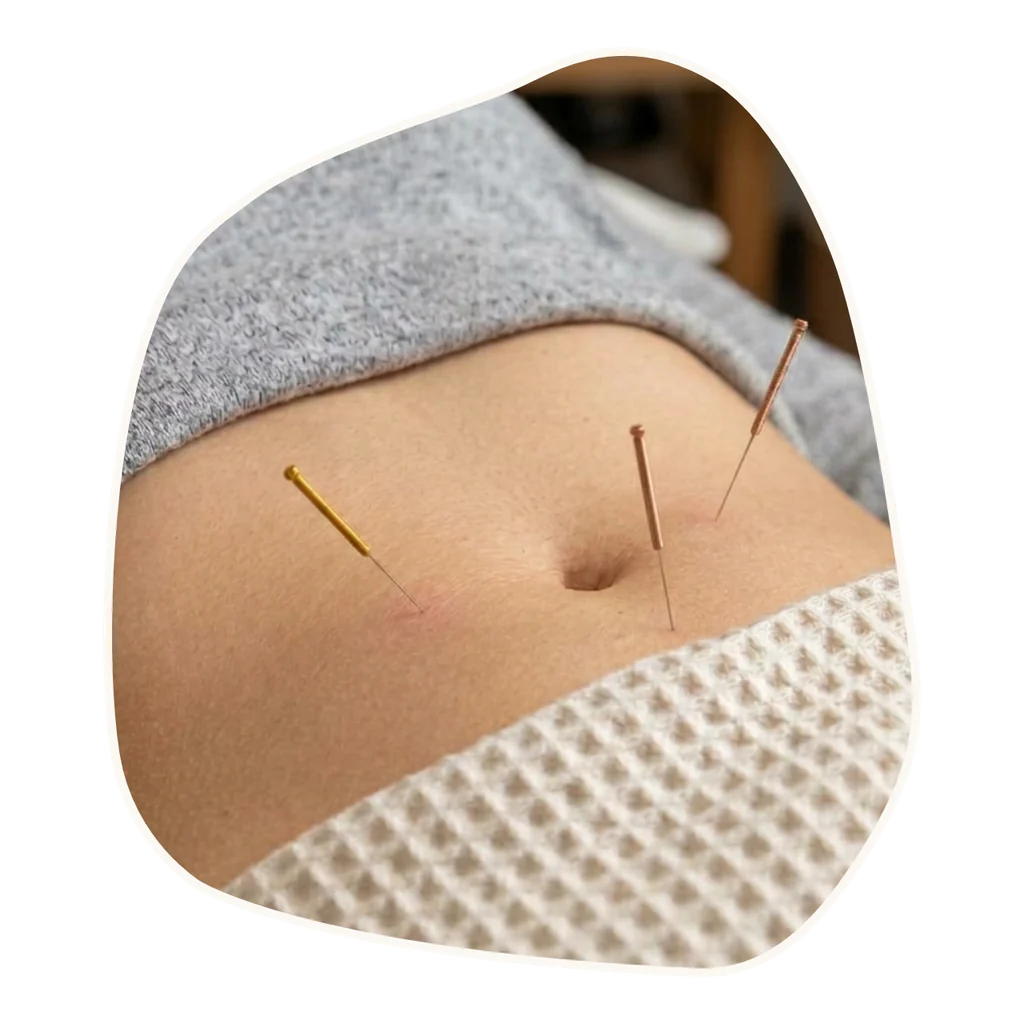
In Traditional Chinese Medicine, digestion is very closely connected to our wider patterns of health and is often considered central to overall wellbeing. TCM also recognises a key link between digestion and emotions, so your symptoms are never looked at in isolation; your sleep, energy, appetite and general lifestyle will be considered too. If it’s something you’d like to explore, dietary advice in line with TCM principles can also be offered. Treatment is tailored to you and can sit alongside the care you already receive.
Tension & Movement
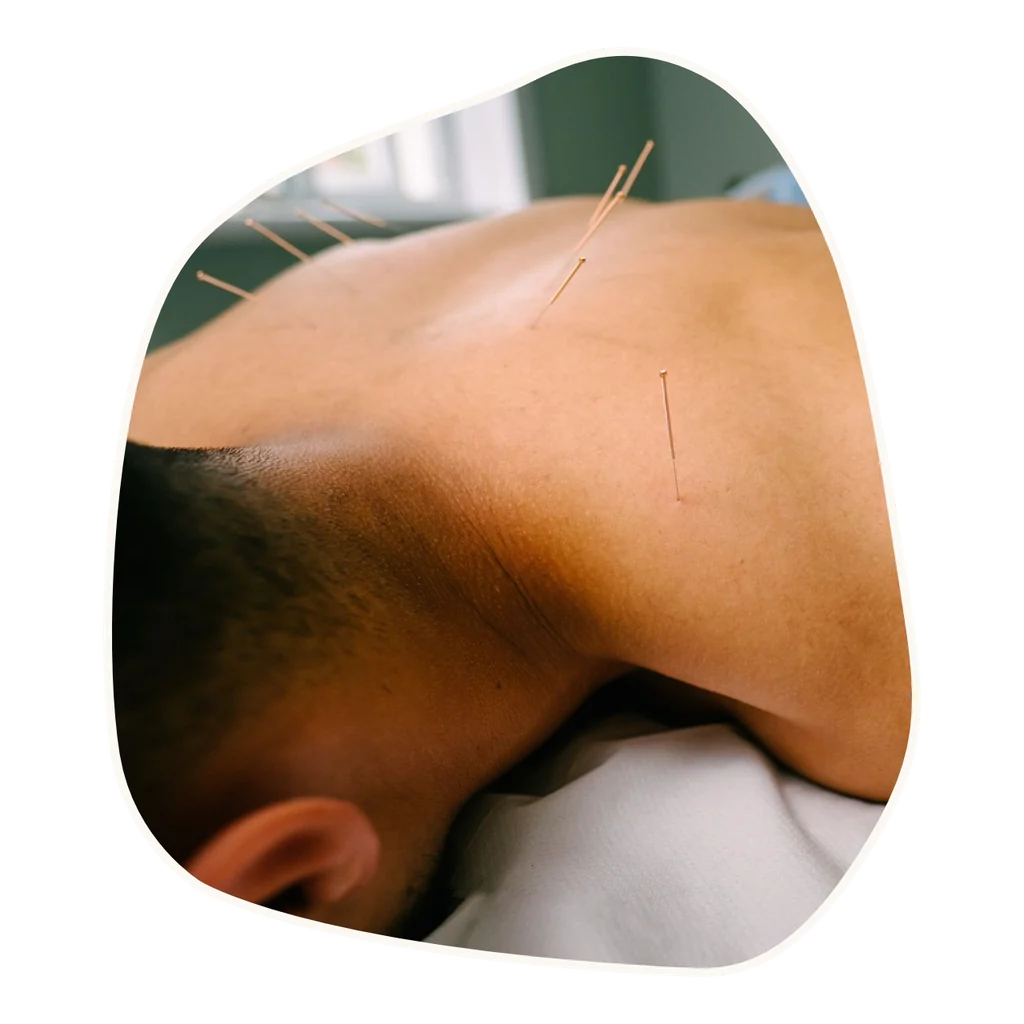
Whether from working long hours at a desk or old sports injuries, many people struggle with muscle tension, stiffness and aches. In TCM, these are frequently considered alongside your wider patterns of wellbeing, including stress, sleep, activity and how you move through your day. Rather than looking at a particular area in isolation, TCM considers how different aspects of your life and health may be interconnected. The aim is to offer space to pause, reconnect with your body and support your everyday movement and wellbeing.
Seasonal & Everyday Wellbeing
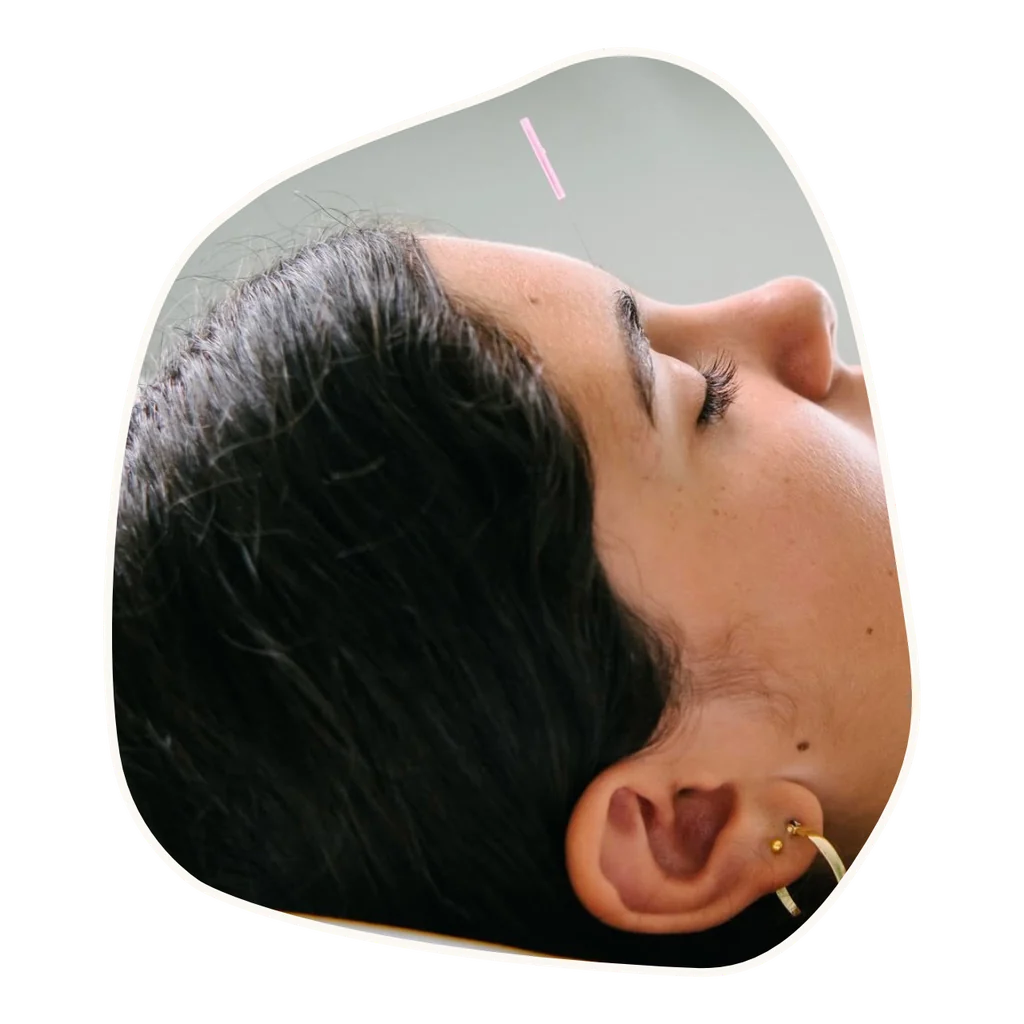
Traditional Chinese Medicine has long recognised the relationship between our health, the changing seasons and the natural rhythms of everyday life. As the year shifts, or life becomes particularly busy, taking time to check in with yourself can help you feel more connected to your needs. As microcosms of nature, we often find that certain seasons can feel harder on our bodies, or bring a change in how we feel. Acupuncture can form part of a regular wellbeing routine, offering space to pause, reflect and give yourself some care and attention. Whether you’re looking for support during a period of change or simply want to make more room for yourself, treatment is tailored to how you’re feeling at that particular time.